Preserving Our Heritage Through Storytelling
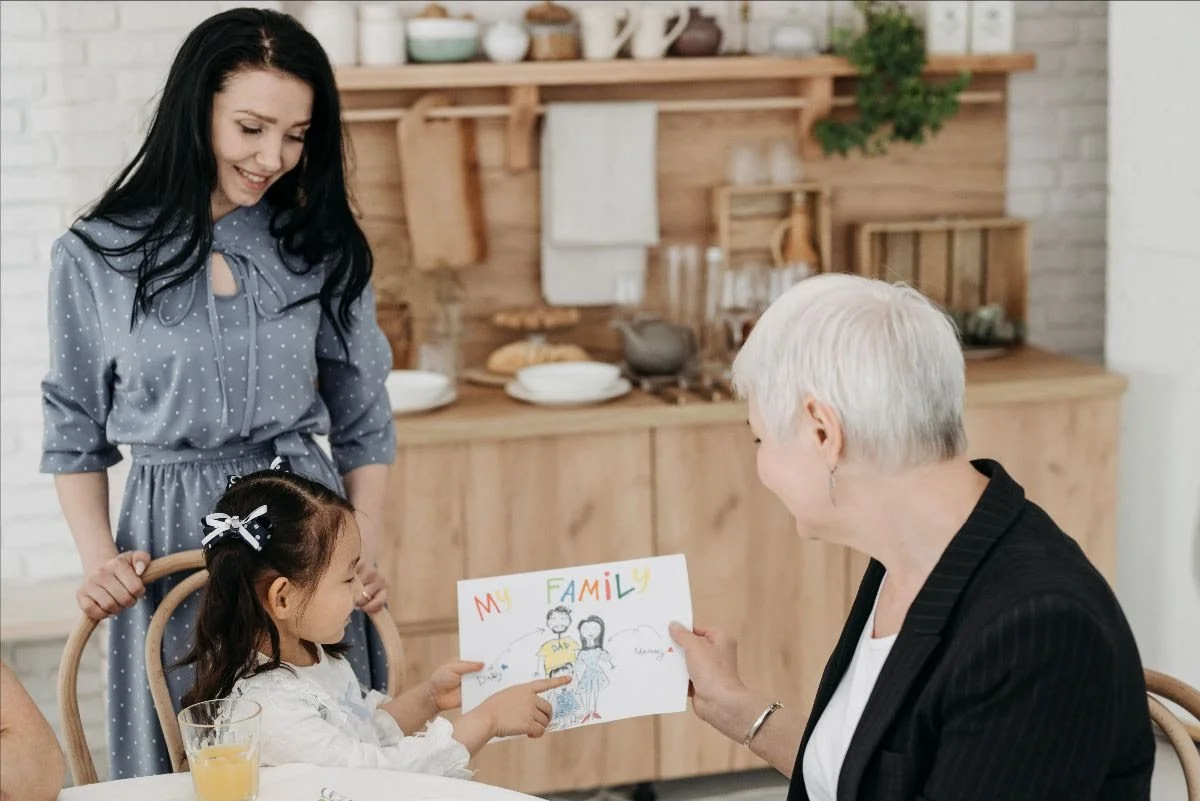
This July, our country turned 250. It is a milestone worth pausing over, not just with celebrations (which are necessary and wonderful), but with something quieter and more lasting: the stories that made us who we are.
Every family carries a story of how they came to be here, whether that story begins on the Mayflower, Ellis Island, or simply down the road a few generations back.
Many of us have stories of parents that worked to build a better life for their children, or fled unstable environments. These stories are easy to lose. They live in the memories of grandparents, in old letters tucked in a drawer, in old family recipes, or in the rare stories told on a holiday.
If we do not ask, and if we do not tell, they disappear.
Our nation was built upon the remarkable truth that all persons are endowed with inalienable rights given by God, not the governing body. Embracing this truth enables people of every race, color, and creed to come together, under a shared framework of ordered liberty rooted in the conviction that every person is made in the image of God, and become one people.
This is done not by erasing where they came from, but by bringing it with them. Our heritage is not a single story, but millions of them, woven into one.
We are united by the truth that this country was built by people willing to sacrifice for something larger than themselves. This alone is a precious inheritance, and it belongs to every family in this country, including ours.
As parents, we are the keepers of these stories for our own children. Long before they study it in a textbook, they should hear it from us: where did we come from? What did our people sacrifice to get here? What did they believe, and why did it matter enough to cross oceans or borders or generations for it?
This is the quiet work of the home. Long before a child can vote or serve or lead, they can know their story. A child who knows where they came from stands a little steadier in the world, and loves a little more freely, and appreciates with gratitude the family and the country that shaped them.
We are one nation, not because we are all the same. We are one because we have chosen, generation after generation, to become one family out of many.
"The history of mankind, the history of salvation, passes by way of the family."
— Pope St. John Paul II
Bring Your Family's Story to Life
July's heat can make it hard to want to be outdoors all day, which makes it the perfect month to turn inward, toward the story of where we came from.
A Family Heritage Project
Choose a country, whether it's one of your own family's countries of origin, or simply one you're all curious about. Spend a week or two researching together: its history, its food, its holidays, its heroes. Then let the children present what they've learned to the rest of the family, dressed up, with a simple skit, a poster, or even a short "play" reenacting a moment from that country's history.
Library Trips & Crafts
Make a trip to the library a regular part of the month. Pick out books on American history or your family's country of origin, and let the children choose a craft to go with what they're learning: a flag to color, a map to trace, a traditional recipe to attempt in the kitchen together.
"Who Am I?"
A simple game for family dinner or a rainy afternoon: write the names of different Founding Fathers or other influential historical figures on slips of paper. Each family member draws one, looks them up, and the rest of the family asks yes-or-no questions to guess who they are. It's a playful way to make history personal.
Exploring Your Family History
Commit to a single afternoon of storytelling at the dinner table, or draw your family tree sketched on butcher paper. If there is a living grandparent, or an elderly relative, interview them on the phone or a voice memo. Encourage the children to get involved by helping them come up with their own questions and conducting their own interviews.