Family Dinners
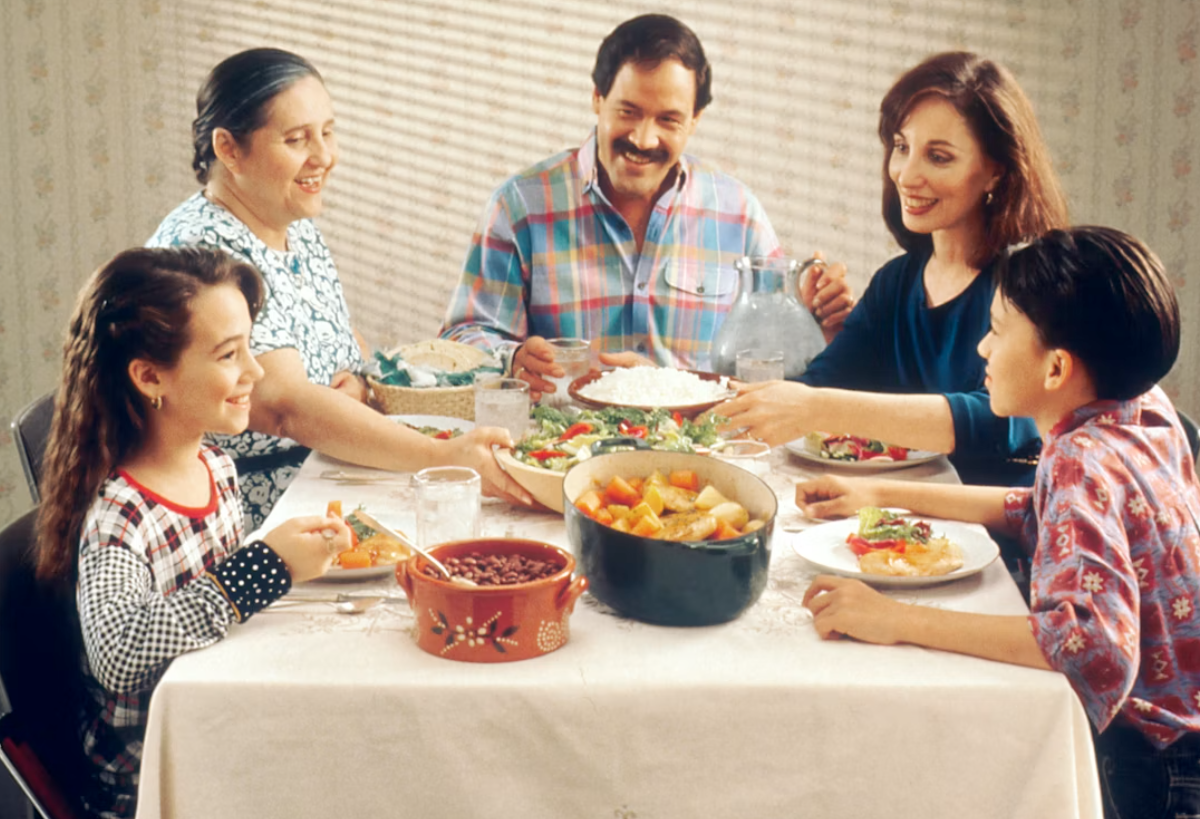
In a world that moves quickly and rarely pauses, the family dinner table remains one of the most sacred places in a home. It is a space for connection, consistency, and relationship. Yet beyond the social and emotional benefits, family dinners offer something else our homes deeply need: a sense of ritual, beauty, and belonging.
Community Begins at the Table
Regular shared meals are essential in building a family culture. When we sit down as a family, we are able to unpack events in the day, learn about one another, and share in an intentional bonding experience. Studies consistently show that children who regularly share meals with their families experience greater emotional stability, stronger vocabularies, and healthier long-term habits. But beyond the research, seasoned parents often share how children are more prone to opening up when participating in a shared activity like breaking bread as a family.
Making the Ordinary Feel Special
Family dinners don’t need to be elaborate. In fact, a simple meal becomes memorable with a few thoughtful touches that elevate the everyday:
Set the table with intention. A cloth napkin, a real plate, or a sprig of greenery can transform even a weeknight dinner into an experience. Children notice beauty and are proud to help create it.
Light a candle. A single candle at the table adds a quiet elegance to any table. It signals that this moment is set apart, even if the menu is spaghetti and salad.
Invite children to participate. Let them fold napkins, place silverware, choose the centerpiece, or help stir a pot. These small acts teach responsibility, cooperation, and the joy of contributing to family life.
Pray together before eating. Whether it is a traditional blessing or a simple personal prayer of gratitude, taking a moment to thank God for His provision deepens the sense of unity and reminds everyone that meals are a gift.
When families commit to sitting together at the table, they are doing more than enjoying a meal. They are forming a rhythm of communion that strengthens bonds, nurtures gratitude, and invites beauty into the home. The elegance of a thoughtfully set table and the warmth of shared conversation are small but powerful reminders that ordinary life is filled with grace if we only pause long enough to notice.
In a busy season, reclaiming family dinner can be an anchor. It’s an opportunity, night after night, to model love, hospitality, prayerfulness, and gratitude. And in the end, it’s these quiet, consistent rituals that form the foundation of strong families.
Elevating Holiday Gatherings with Good Etiquette
As we celebrate the holidays, we naturally turn our attention toward gatherings that bring family and friends into our homes. What truly transforms a meal into an experience is the way each person is welcomed, included, and honored at the table.
Etiquette, at its heart, is not about rigid rules but about cultivating a spirit of attentiveness. It’s the art of making others feel seen.
Think of a gathering as a chain: every person is a link, and the strength and beauty of the experience depend on the contributions of each. When we practice simple, gracious habits, we strengthen the chain, creating an atmosphere where people can relax, laugh, and connect deeply.
Thoughtful Hosting: Setting the Tone
A gracious host doesn’t need perfection—just intention. A few small acts can make your home feel warm and elevated:
Personalized place cards. A handwritten name card at each setting signals, “You belong here.” It turns a simple meal into a curated experience. It also thoughtfully directs seating, encouraging conversation and making guests feel considered.
A warm greeting at the door. Pausing to greet each guest with genuine enthusiasm sets the tone for the entire evening. Try offering a specific, heartfelt question—“How’s your new job going?” or “Did your daughter enjoy her recital?” This immediately tells your guests that their lives matter to you.
Set the table with grace. A crisp tablecloth, cloth napkins, and a simple but elegant decoration is all it takes to elevate your table. Beauty and attention to detail communicates care: you prepared this space intentionally, just for your guests.
The Guest’s Role: Strengthening the Chain
Guests also hold responsibility in making a gathering delightful. Good manners are simply ways of showing respect:
Arrive on time. Being punctual honors the host’s efforts. Bringing a small offering, such as flowers, a bottle of wine, or a dessert, communicates gratitude.
Engage the table. Conversation is one of the greatest gifts a guest brings. Ask questions, include quieter guests, share stories without dominating the room, and avoid topics that might alienate or dampen spirits.
Offer to help. Simple acts—refilling a water glass, clearing a plate, checking in with the host—create a supportive atmosphere where the work of hosting is shared.
Why These Details Matter
Etiquette does more than elevate the aesthetic of a holiday meal; it elevates the relationships around it. These gestures remind us that hospitality is not a performance but a gift. By tending to the details, we honor the people who gather around our table.
Check out these answers to common holiday party etiquette questions.
Etiquette for children at holiday parties.